Introduction
In the competitive home textile market, blankets are no longer just basic bedding products. They have become an important category for retailers, online brands, supermarkets, hotels, and distributors looking to increase product value and customer loyalty.
However, choosing the right blanket supplier is a major challenge for many businesses. A supplier with low prices may not provide stable quality, while a manufacturer with strong production capability may not always offer flexible customization services.
For brands and distributors, the ideal blanket supplier should provide consistent quality, reliable delivery, customization support, and the ability to grow together with your business.
This guide explains the key factors you should consider when selecting a professional blanket manufacturer.
1. Evaluate the Manufacturer’s Production Capability
The first step when choosing a blanket supplier is understanding their manufacturing ability.
A reliable manufacturer should have:
- Professional production equipment
- Experienced workers
- Stable raw material supply
- Quality control processes
- Large-scale production capacity
For B2B buyers, production capability directly affects order stability. A supplier that cannot handle large orders may cause delays during peak seasons such as Christmas, winter sales campaigns, and promotional periods.
A professional blanket factory should be able to support different order volumes, from small trial orders to large-scale retail programs.
2. Check Blanket Material Options and Product Knowledge
Different markets require different blanket materials.
Popular blanket materials include:
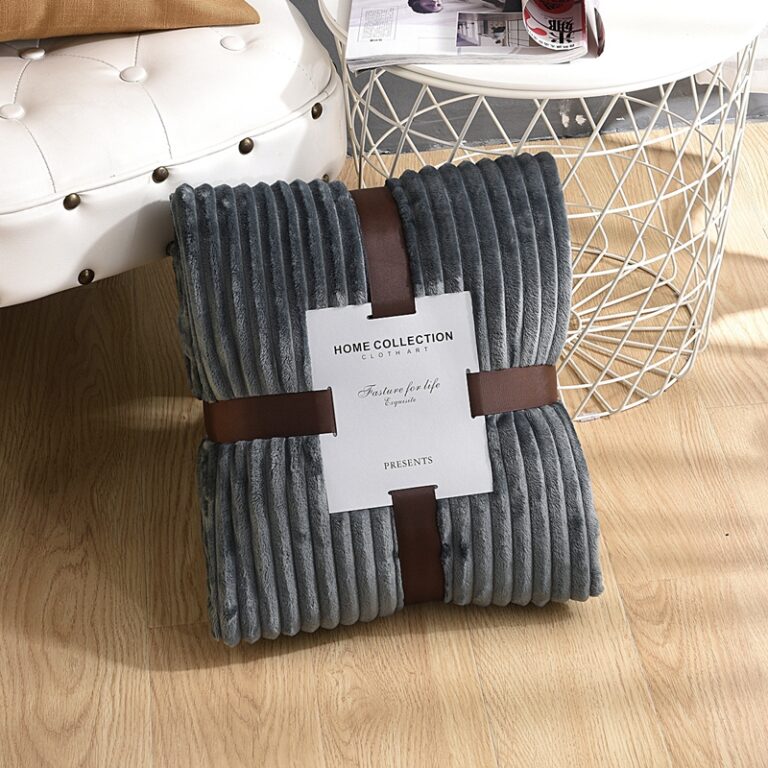
Flannel Fleece Blanket
Flannel fleece blankets are lightweight, soft, and affordable. They are widely used in:
- Online retail
- Gift products
- Seasonal promotions
- Mass-market stores
Sherpa Fleece Blanket
Sherpa fleece blankets provide a thicker and warmer feeling. They are popular among:
- Premium home textile brands
- Winter collections
- Outdoor lifestyle brands
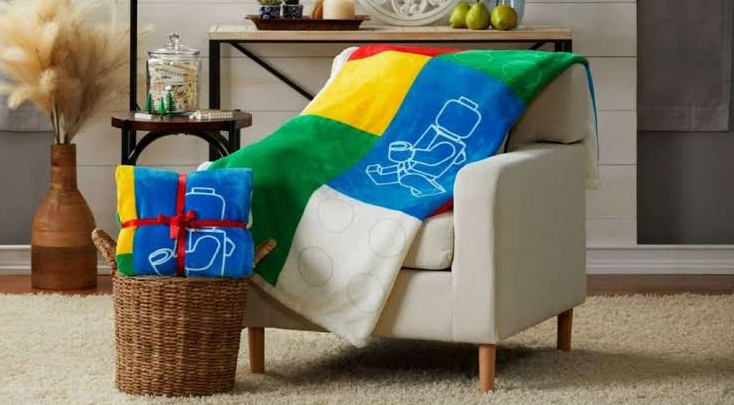
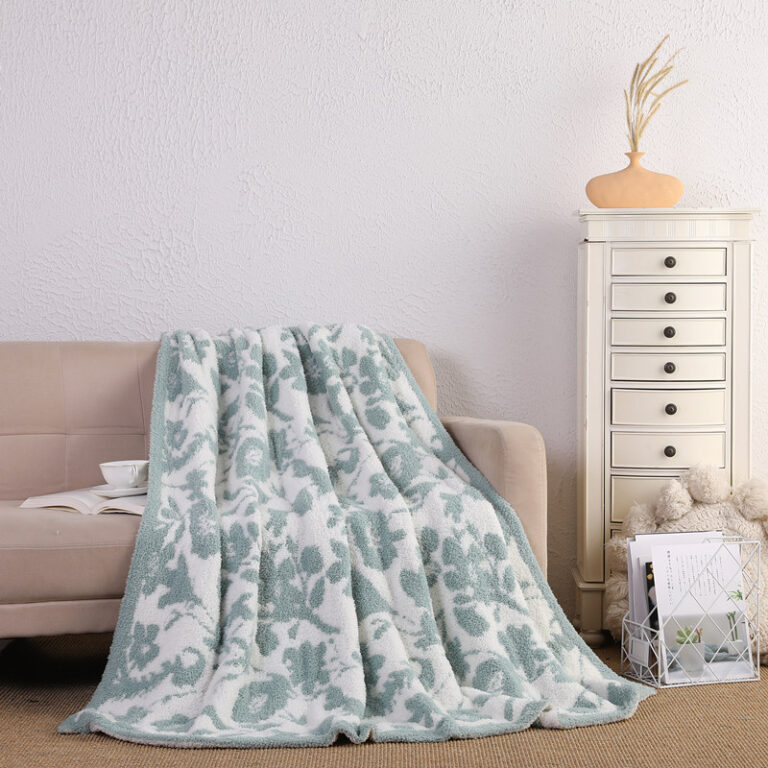
Printed Blanket
Digital printing allows brands to create unique designs, patterns, and seasonal collections.
For brands competing in crowded markets, customized designs can help products stand out.
A professional supplier should understand material performance, fabric weight, softness, color fastness, and market trends.
3. Consider Customization and OEM/ODM Services
For many brands, a standard blanket product is not enough.
A strong OEM/ODM supplier should offer:
Custom Size
Different markets have different size requirements, including:
- Throw blanket size
- Twin size
- Queen size
- King size
Custom Design
Brands may require:
- Custom patterns
- Logo embroidery
- Private labels
- Packaging design
Custom Fabric Weight
Different customers prefer different thickness levels.
For example:
- 250–300gsm: lightweight and affordable
- 300–350gsm: balanced softness and warmth
- 400gsm+: premium heavyweight blanket
Working with a supplier that provides customization allows brands to create differentiated products instead of competing only on price.
4. Analyze Quality Control Standards
Quality consistency is one of the most important factors when selecting a blanket manufacturer.
Before placing large orders, buyers should check:
- Fabric quality
- Stitching quality
- Size accuracy
- Color consistency
- Washing performance
- Packaging quality
A professional supplier should have quality inspections throughout production:
- Raw material inspection
- Fabric inspection
- Cutting inspection
- Sewing inspection
- Final product inspection
Stable quality helps reduce customer complaints and improves brand reputation.
5. Understand MOQ and Production Flexibility
Minimum order quantity (MOQ) is an important consideration, especially for growing brands.
A supplier with flexible MOQ allows buyers to:
- Test new designs
- Launch seasonal products
- Reduce inventory risk
- Develop new markets
For established brands, production scalability is equally important.
The ideal supplier should support both:
- Small test orders for new products
- Large volume production for successful products
This flexibility helps businesses grow faster.
6. Check Communication and Business Support
A good blanket supplier is not only a manufacturer but also a business partner.
Effective communication includes:
- Fast response times
- Clear quotation details
- Professional samples
- Production updates
- Problem-solving ability
For international buyers, communication efficiency is especially important because production involves multiple steps and long-distance coordination.
A supplier who understands your market can also provide suggestions about:
- Popular materials
- Product positioning
- Packaging solutions
- Market trends
Why Work with a Professional Blanket Manufacturer?
Partnering with an experienced blanket manufacturer helps brands achieve:
Better Product Control
Direct factory cooperation allows buyers to control:
- Quality
- Cost
- Production schedule
- Product development
More Product Opportunities
Manufacturers with OEM experience can help create new collections based on market demand.
Stronger Market Competitiveness
Customized blankets help brands avoid direct price competition and build unique product lines.
FAQ About Choosing a Blanket Supplier
1. What is the typical MOQ for custom blankets?
MOQ depends on materials, designs, and production requirements. Many manufacturers offer flexible solutions for different business stages.
2. Can blanket suppliers provide private label products?
Yes. Professional manufacturers usually provide private label services including labels, packaging, and customized designs.
3. How long does blanket production take?
Production time depends on order quantity and customization requirements. Standard production usually requires several weeks after sample approval.
4. What information should buyers provide when requesting a quotation?
Buyers should provide:
- Blanket size
- Material preference
- GSM requirement
- Quantity
- Design requirements
- Packaging requirements
Conclusion
Choosing the right blanket supplier is a strategic decision for any home textile business.
The best supplier should provide more than competitive pricing. Production capability, quality control, customization services, communication efficiency, and long-term cooperation ability are the key factors that determine success.
For brands, retailers, distributors, and hospitality suppliers, working with a reliable blanket manufacturer can help create better products, reduce supply risks, and build sustainable market growth.