Introduction
When sourcing blankets for retail, wholesale, or private label businesses, choosing the right material is one of the most important decisions.
Among all blanket categories, fleece blankets and sherpa blankets are two of the most popular options in the global home textile market.
Both provide softness, comfort, and warmth, but they have different features, costs, and target markets.
Understanding the differences between fleece and sherpa blankets helps buyers choose the right products for their customers.
1. What Is a Fleece Blanket?
A fleece blanket is made from soft synthetic fibers, usually polyester.
It is widely used because of its:
- Soft hand feeling
- Lightweight structure
- Affordable price
- Easy maintenance
Fleece blankets are suitable for large-scale retail because they offer a good balance between quality and cost.
Common applications include:
- Supermarkets
- Online stores
- Home textile retailers
- Promotional products
- Seasonal sales
For businesses targeting mass markets, fleece blankets are usually a practical choice.
2. What Is a Sherpa Blanket?
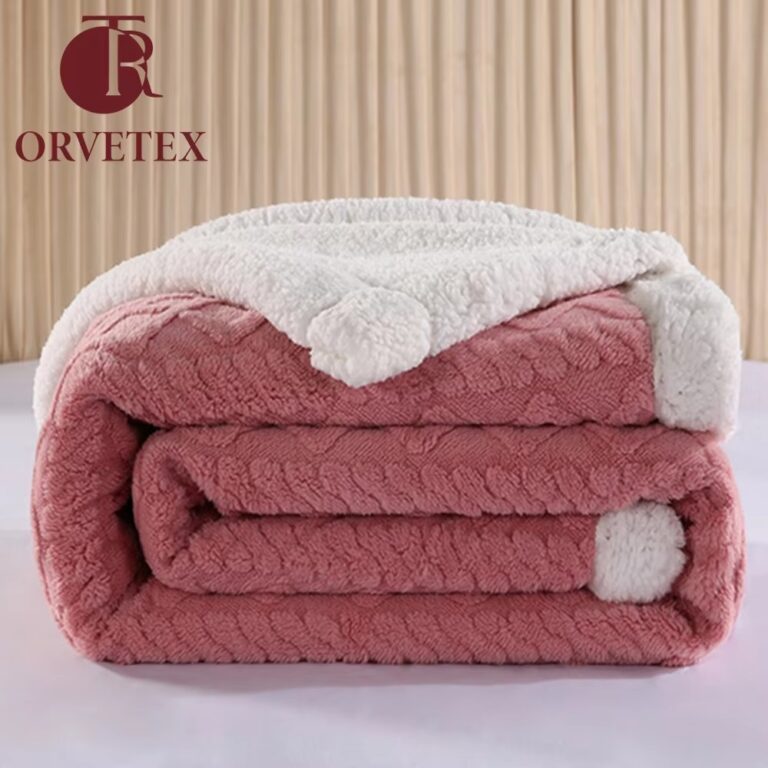
A sherpa blanket features a thicker, wool-like texture that provides a warmer and more premium feeling.
Its main advantages include:
- Higher warmth
- Plush appearance
- Comfortable texture
- Premium product positioning
Sherpa blankets are often selected by brands that focus on higher-value home products.
Common applications include:
- Premium home textile brands
- Boutique retailers
- Winter collections
- Gift markets
Compared with standard fleece blankets, sherpa blankets usually create stronger perceived value.
3. Key Differences Between Fleece and Sherpa Blankets
| Feature | Fleece Blanket | Sherpa Blanket |
|---|---|---|
| Weight | Lightweight | Medium to heavyweight |
| Warmth | Moderate | Higher |
| Price | More affordable | Higher |
| Market Position | Mass market | Premium market |
| Best For | Retail volume sales | Premium collections |
| Customer Demand | Wide audience | Quality-focused buyers |
4. Which Blanket Is Better for Your Business?
The answer depends on your market strategy.
Choose Fleece Blankets If You Need:
- Competitive pricing
- Large order quantities
- Fast-moving products
- Wide customer coverage
Fleece blankets are ideal for retailers and distributors who want reliable sales volume.
Choose Sherpa Blankets If You Need:
- Higher product value
- Premium positioning
- Differentiated collections
- Better profit margins
Sherpa blankets are suitable for brands that want to create a stronger product image.
5. Customization Options for Both Blankets
Professional blanket manufacturers can provide customization for both fleece and sherpa products.
Options include:
- Custom sizes
- Custom colors
- Printed designs
- Brand labels
- Packaging solutions
OEM customization allows businesses to develop products that match their target customers instead of selling standard items.
How to Choose the Right Blanket Supplier?
A reliable blanket supplier should provide:
- Stable production capacity
- Consistent quality control
- Flexible customization options
- Competitive factory pricing
- Professional communication
The right supplier helps businesses reduce sourcing risks and build long-term product lines.
FAQ
1. Are fleece blankets cheaper than sherpa blankets?
Generally, fleece blankets have lower production costs, while sherpa blankets offer a more premium feel and higher value.
2. Which blanket is better for online sales?
Both can perform well. Fleece blankets are easier to sell in competitive price markets, while sherpa blankets can attract customers looking for premium comfort.
3. Can both blankets be customized?
Yes. Manufacturers can customize materials, colors, sizes, designs, labels, and packaging.
Conclusion
Both fleece blankets and sherpa blankets have strong market potential.
Fleece blankets are ideal for businesses focusing on volume sales and competitive pricing, while sherpa blankets are better for premium product positioning.
By selecting the right blanket type and working with an experienced manufacturer, retailers, distributors, and brands can create products that match customer demand and improve market