Introduction
For brands, retailers, and distributors, understanding the blanket manufacturing process helps buyers choose the right supplier and evaluate production quality.
A professional blanket manufacturer does much more than sewing fabric together. From material selection and design development to production control and final inspection, every step affects the quality, appearance, and performance of the finished product.
This article explains the complete blanket manufacturing process and how experienced factories ensure reliable products for global markets.
1. Fabric Selection and Material Preparation
The first step in blanket production is selecting suitable fabrics according to the product requirements.
Common blanket materials include:
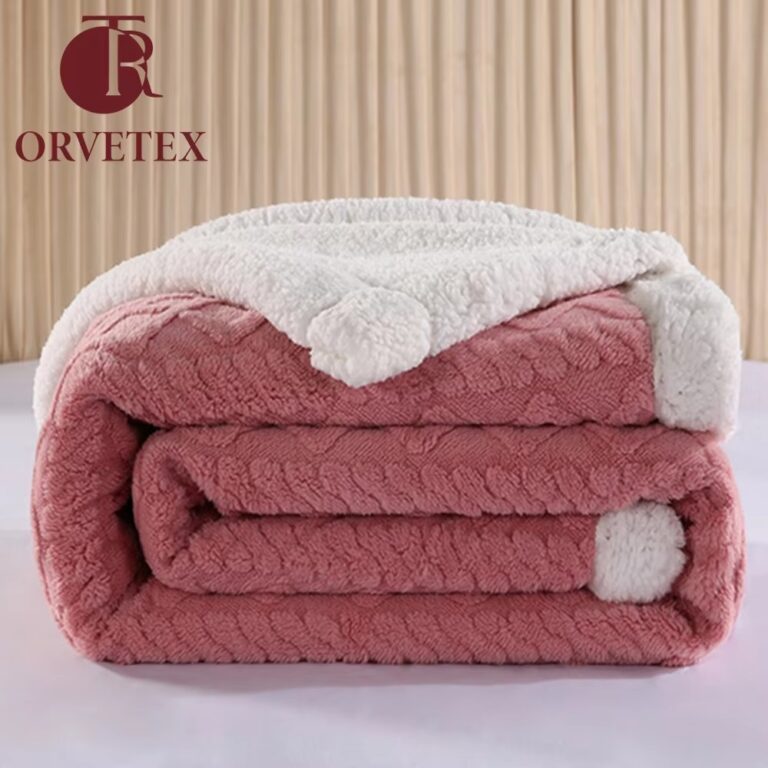
Fleece Fabric
Fleece is one of the most popular blanket materials because it offers:
- Soft touch
- Lightweight comfort
- Easy maintenance
- Competitive pricing
It is widely used for retail and wholesale blanket programs.
Sherpa Fabric
Sherpa provides:
- Extra warmth
- Premium appearance
- Thick and comfortable texture
It is often selected for premium home textile collections.
Before production begins, manufacturers inspect incoming fabrics to ensure:
- Color consistency
- Fabric quality
- Correct weight
- Smooth surface
2. Product Design and Sample Development
Before mass production, manufacturers create samples based on customer requirements.
The sample development stage confirms:
- Blanket size
- Fabric thickness
- Color matching
- Design details
- Packaging requirements
For OEM and private label customers, this stage is important because it transforms product ideas into real samples.
Customers can review and adjust details before large-scale production.
3. Fabric Cutting Process
After sample approval, fabric moves into production.
The cutting process requires accuracy because incorrect cutting may affect:
- Blanket size
- Product appearance
- Material usage
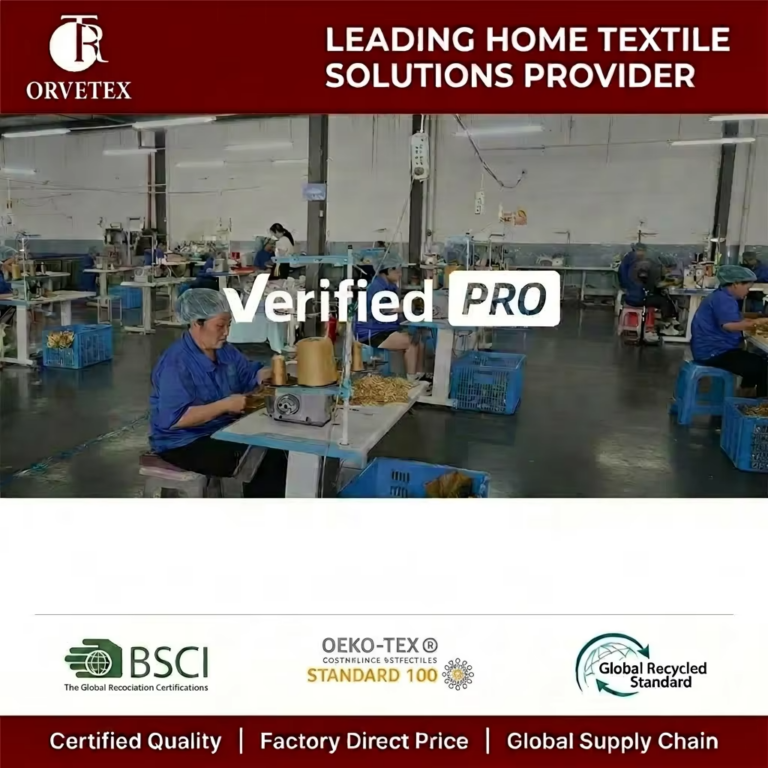
Professional factories use experienced workers and suitable equipment to ensure precise cutting.
Good cutting control helps reduce material waste and maintain product consistency.
4. Sewing and Edge Finishing
The sewing process determines the durability and appearance of blankets.
Important production details include:
- Strong stitching
- Smooth edges
- Accurate dimensions
- Clean finishing
For many customers, edge quality is an important indicator of product value.
A well-finished blanket provides better customer experience and longer service life.
5. Quality Inspection During Production
Quality control is one of the most important parts of blanket manufacturing.
Professional manufacturers inspect products throughout production.
Inspection includes:
Fabric Inspection
Checking:
- Color
- Weight
- Texture
Production Inspection
Checking:
- Sewing quality
- Size accuracy
- Appearance
Final Inspection
Checking:
- Finished product quality
- Quantity
- Packaging condition
Strict quality control helps reduce customer complaints and improve brand reputation.
6. Packaging and Shipment Preparation
After final inspection, blankets are prepared for shipment.
Packaging options may include:
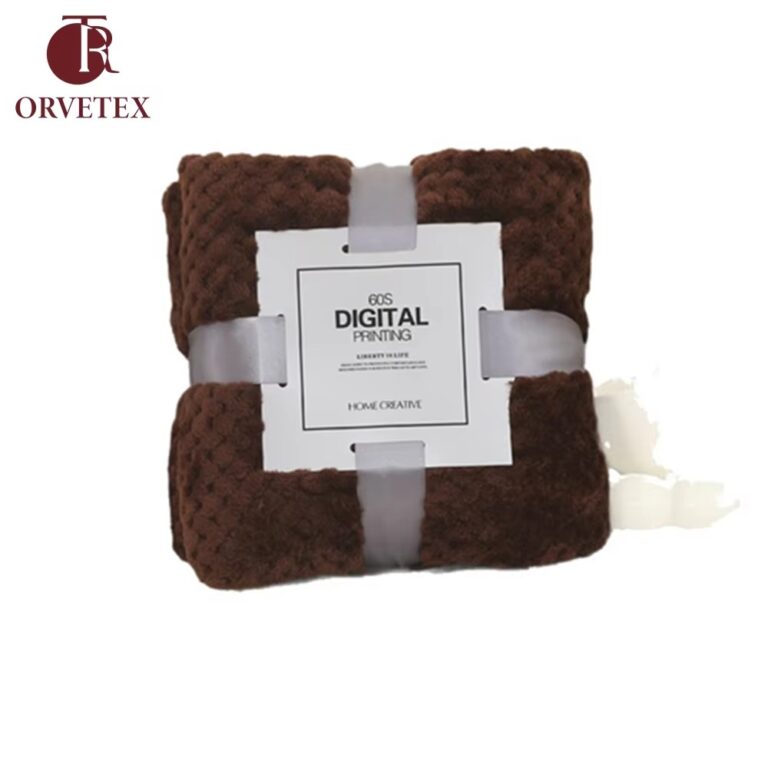
- Individual poly bags
- Custom printed packaging
- Gift packaging
- Retail packaging
For international buyers, proper packaging helps protect products during transportation and improves shelf presentation.
7. Why Choose an Experienced Blanket Manufacturer?
Working with an experienced manufacturer provides several advantages:
Reliable Quality
Professional production systems ensure stable product performance.
Better Customization Support
Manufacturers with OEM experience can help develop:
- New designs
- Private label products
- Custom collections
Stable Supply Chain
Strong production capability supports:
- Regular orders
- Seasonal demand
- Business expansion
FAQ About Blanket Manufacturing
1. How long does blanket production take?
Production time depends on product type, customization requirements, and order quantity.
2. Can manufacturers produce custom blanket designs?
Yes. OEM manufacturers can customize materials, sizes, colors, patterns, labels, and packaging.
3. What quality standards should buyers check?
Buyers should evaluate fabric quality, stitching, size accuracy, color consistency, and packaging quality.
Conclusion
The blanket manufacturing process involves many important steps, from fabric selection and sample development to production, inspection, and shipment.
Choosing an experienced blanket manufacturer helps brands, retailers, and distributors achieve better quality control, reliable delivery, and customized product solutions.
A professional manufacturing partner is not only a supplier—it is a key part of building a successful home textile business.