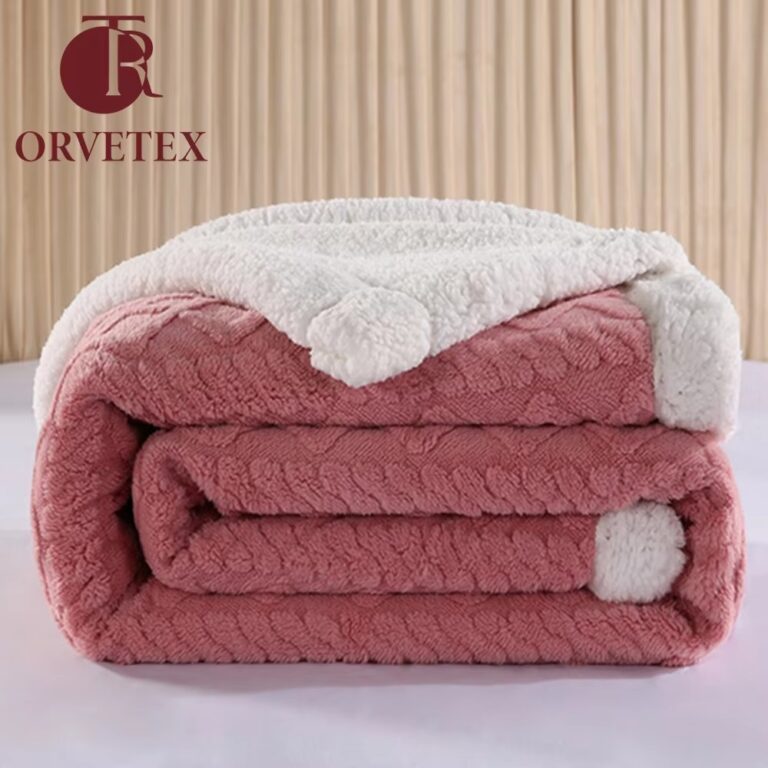
Blankets used to be treated mainly as basic seasonal home-textile products. Today, many retailers and brands are using them as part of a broader product collection.
The reason is simple: blankets can combine function, visual design, branding, and seasonal merchandising in one product.
From Basic Product to Branded Collection
A standard blanket may compete mainly on price.
A customized blanket can compete through design, material, packaging, and brand identity.
Retailers can develop blankets around different themes, such as:
- Seasonal home décor
- Christmas and holiday collections
- Sports merchandise
- Outdoor and travel products
- Kids and family collections
- Promotional campaigns
- Private-label home-textile ranges
This gives buyers more flexibility when building their product assortment.
Customization Is More Than Printing
When people talk about custom blankets, they often think about printed patterns first.
In reality, customization can happen at several levels.
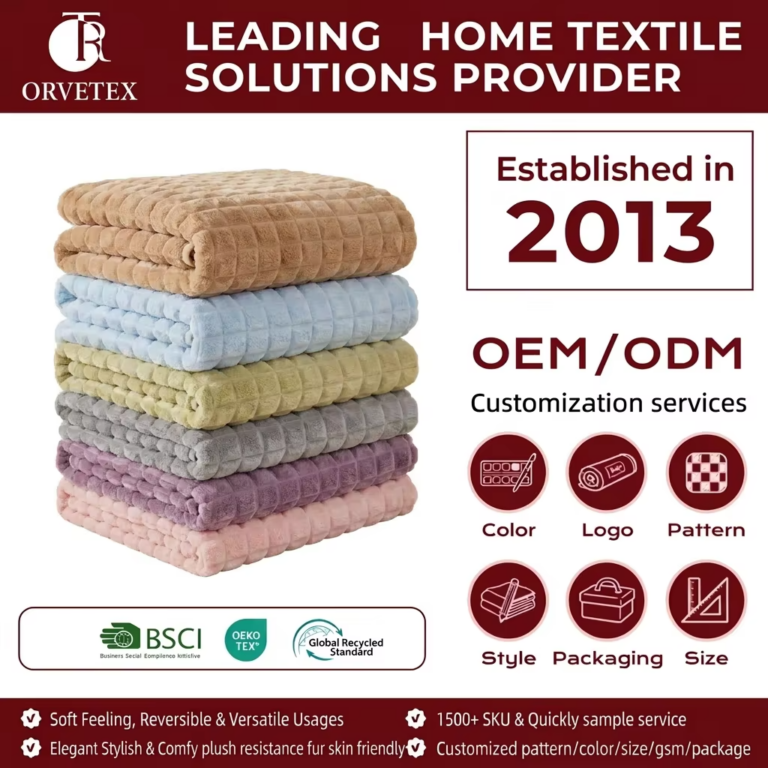
Product: fabric, GSM, size, color, texture, and finishing.
Design: printed artwork, jacquard patterns, embroidery, logos, and branded details.
Branding: woven labels, care labels, hangtags, and private-label information.
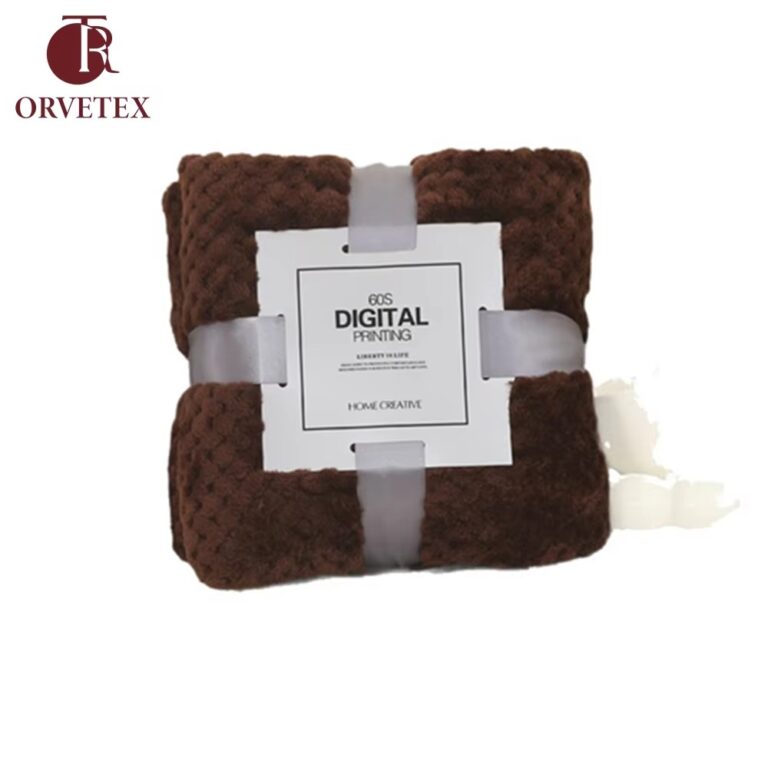
Packaging: bags, boxes, sleeves, inserts, and other customized packaging solutions.
For B2B buyers, combining several of these elements can create a product that is much harder to compare directly with generic wholesale blankets.
Why Manufacturers Matter
The more customized a blanket becomes, the more important production coordination becomes.
Fabric sourcing, artwork preparation, sampling, printing, cutting, sewing, finishing, inspection, and packaging all need to work together.
For this reason, many brands prefer to work directly with an OEM/ODM blanket manufacturer rather than purchasing a standard product and handling customization separately.
A manufacturer can help coordinate the production process and adjust specifications according to the buyer’s market.
What Should Buyers Prepare Before Asking for a Quote?
A clear inquiry usually produces a more useful quotation.
Buyers should prepare:
- Desired blanket size
- Preferred fabric or product reference
- Approximate GSM
- Quantity
- Color or artwork
- Logo or branding requirements
- Packaging requirements
- Target market or application
The clearer the initial requirements, the easier it is for a manufacturer to recommend suitable materials and production options.
Final Thought
For today’s retail market, a blanket does not have to be just another basic home-textile item.
With the right fabric, design, branding, and packaging, it can become a distinctive part of a retailer’s or brand’s product collection.